Hydraulic & Industrial Hoses Expert
Solving your toughest fluid transfer challenges with engineered solutions and responsive support.
Certified Hoses, Trusted Performance
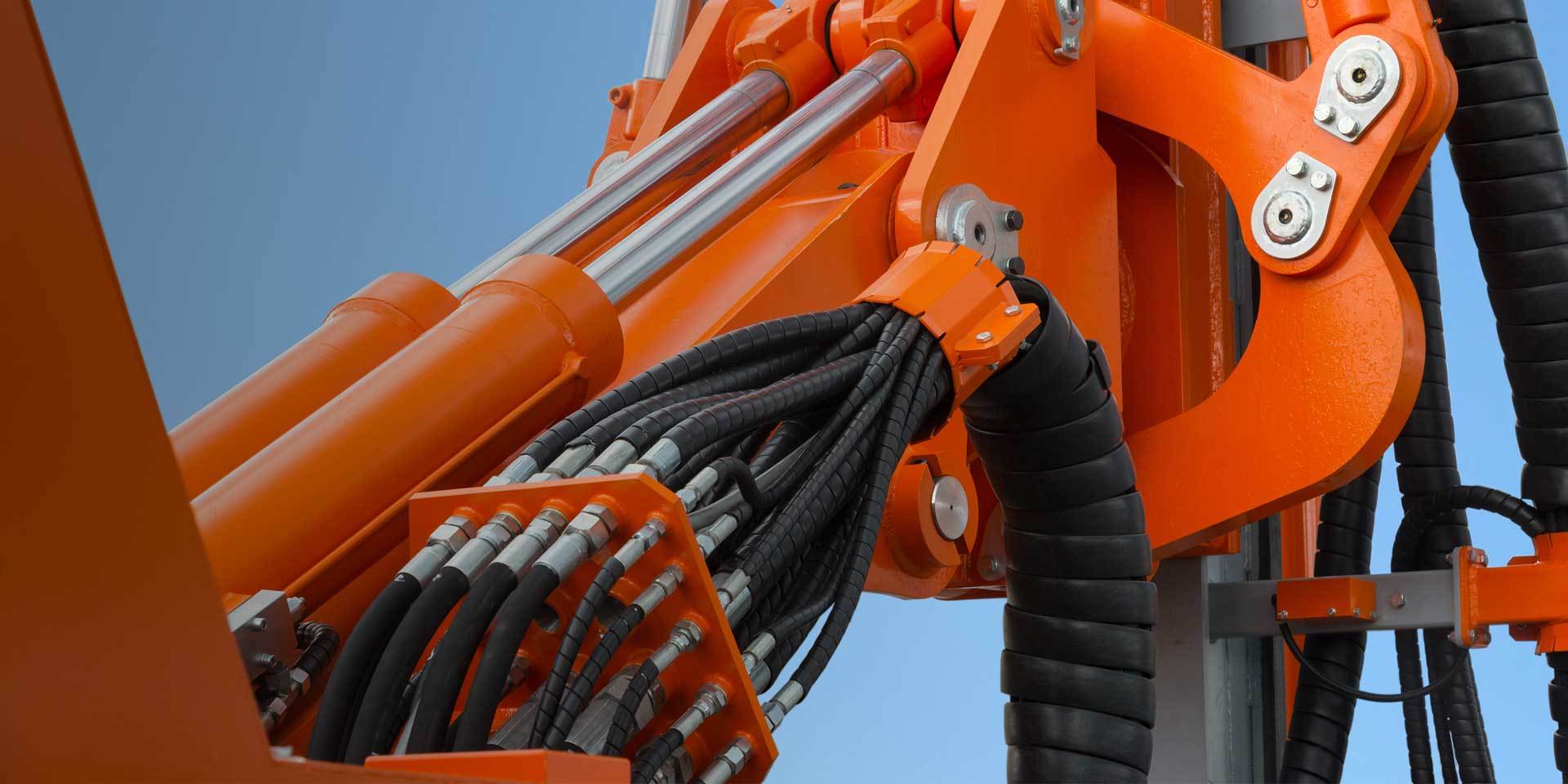
Hoses built for extreme pressure, tight spaces, and harshest conditions -- API, MSHA, and DNV certified.
Beyond Standards, Designed to Endure
High-strength hoses crafted to exceed international standards, delivering dependable operational reliability.

Specializes In Hydraulic And Industrial Hose Systems

Choose Senflow — and build smarter, more reliable fluid transfer systems.

About

Senflow Tech

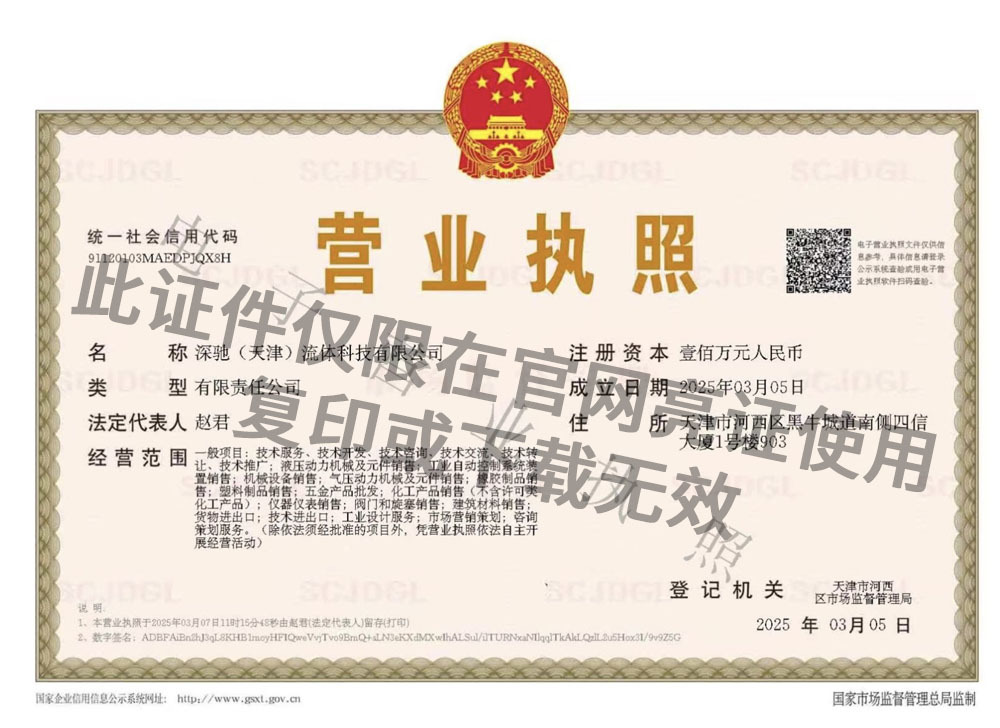
Senflow Tech Co., Ltd. specializes in hydraulic and industrial hose systems, delivering tailored fluid transfer solutions to global industries.As one of the few designated global partners of Letone Hydraulics (Stock Code: 832225) — a publicly listed leader in China’s fluid technology sector — we bridge world-class manufacturing with the operational demands of global industries.

Learn More

Our Advantages

Engineered for extra-high pressure, extreme impulse, and tight bending radius

Long-lasting performance backed by strict quality control and stable production

A responsive, multilingual sales team with strong technical expertise

Full-cycle support and reliable on-time shipments

Global-brand performance with a more competitive cost structure

Latest News

Mar 18,2026

How to Choose the Right Hydraulic Hose Assembly Tools & Fittings

Hydraulic hose assembly tools and fittings should be selected based on actual system conditions rather than catalog comparison. Working pressure, pulsation, temperature, fluid type, and installation limits define the technical boundary. Braided and spiral hoses require different crimp force and structural matching, and incorrect pairing directly affects retention strength and fatigue life. Material and seal compatibility are equally critical. In corrosive or high-temperature environments, improper steel grade or elastomer choice often leads to early leakage. Thread type and sealing geometry—such as JIC, ORFS, BSP, or metric—must be accurately identified to prevent load misalignment and sealing failure. Assembly reliability ultimately depends on crimping precision and process control. Force capacity, diameter accuracy, and verification procedures determine whether the hose performs predictably under pressure cycling. Effective selection balances capacity, cost, and application demand to ensure long-term hydraulic stability.

Learn More

Mar 10,2026

Why Higher Pressure-Rated Hydraulic Hoses Feel Stiffer

Hydraulic hoses with higher pressure ratings tend to feel stiffer due to structural reinforcement rather than material differences. To withstand greater internal pressure, these hoses incorporate multiple layers of high-tensile steel—often in spiral constructions—and increased wall thickness. The higher proportion of steel, combined with larger cross-sectional geometry, significantly raises bending stiffness. While this structural enhancement improves pressure capacity, it reduces flexibility and increases minimum bend radius. The stiffness observed in high-pressure hoses is therefore a direct outcome of mechanical design trade-offs between strength and flexibility.

Learn More

Mar 02,2026

Engineering Logic of Working Pressure, Burst Pressure, and Safety Factor

This article outlines the engineering logic behind working pressure, burst pressure, and safety factor in hydraulic hose applications. It explains how working pressure defines the maximum continuous operating limit, while burst pressure represents the structural failure threshold verified under laboratory testing. The safety factor, commonly expressed as a ratio between burst and working pressure, serves as a controlled margin to manage operational risks and material variability. The discussion emphasizes that proper hose selection should not rely solely on nominal ratings, but instead consider peak pressure spikes, impulse frequency, and real operating conditions. By clarifying the relationship between these three parameters, the article highlights the importance of matching hose structure to system load in order to ensure long-term hydraulic performance and operational safety.

Learn More

Contact Us

We will contact you within one working day. Please pay attention to your email.

%{tishi_zhanwei}%